Quick Summary: Board Communication
- Monthly briefs prevent surprises: Short updates between meetings keep directors informed without overwhelming their inboxes.
- Send materials 7–10 days early: Directors need prep time—late packets mean longer meetings and weaker decisions.
- Lead with the takeaway: Every report should open with "What you need to know" in 2–3 sentences; details are optional.
- Use consent agendas: Bundle routine items for single-vote approval, freeing time for strategic discussion.
- Onboard new directors systematically: A structured welcome series builds confidence and speeds contribution.
Part of our association email guide
Your board members generously volunteer their time, expertise, and professional networks to steer your association forward. Delivering clear, timely communication respects that commitment and equips them to govern effectively.
Yet too many associations leave directors in the dark—arriving at meetings without prep materials, caught off-guard by issues staff handled months earlier, and left guessing about the organization's true direction. Sequence Consulting's 2026 Association Trends Report reveals that 40% of associations lack regular feedback loops, with the same engagement pitfalls hitting board relationships hard.
After nearly three decades working with association boards, I've noticed something consistent: the associations with the most effective governance aren't necessarily the ones with the biggest budgets or most experienced directors. They're the ones with clear, predictable communication rhythms. This guide outlines the proven formats and habits I've seen work across hundreds of associations.
Why board communication matters
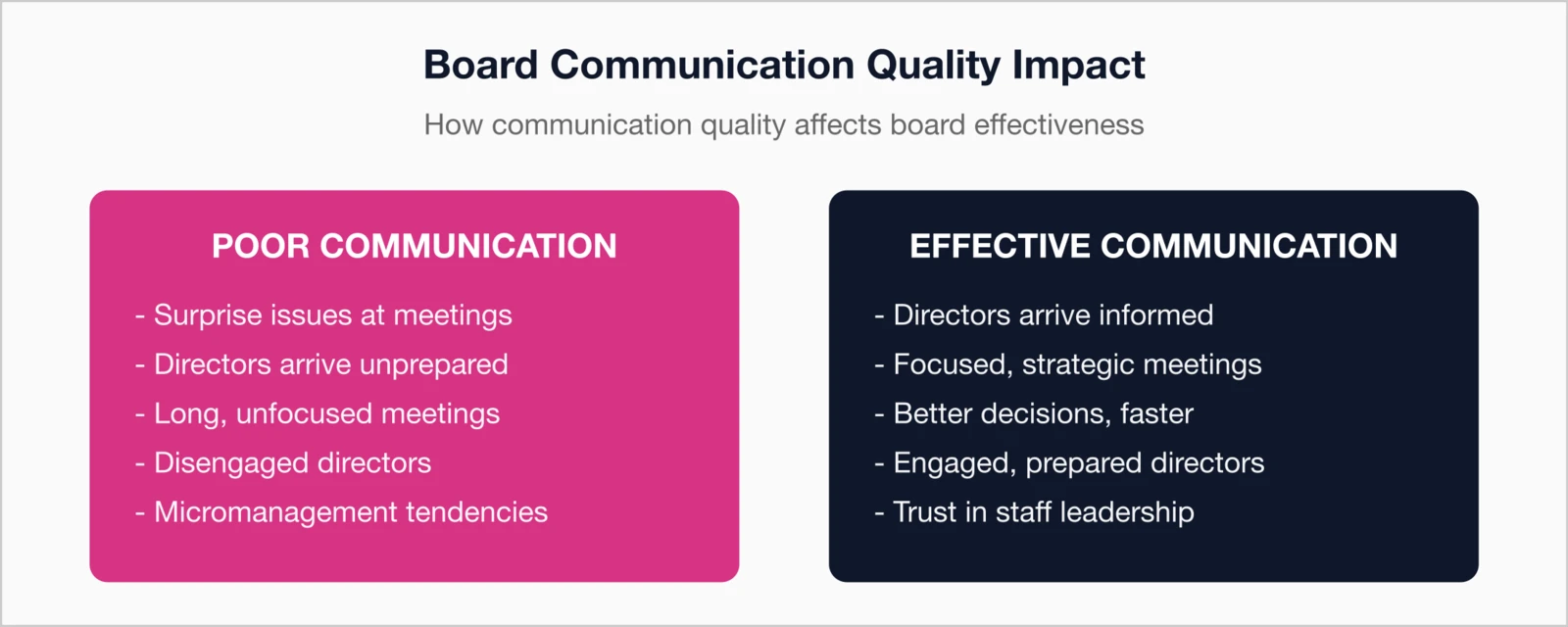
Strong governance starts with shared understanding. When communication falters, it creates friction that undermines your board's potential—think reactive decisions, fading engagement, and unnecessary meddling in daily operations.
Well-informed boards deliver strategic oversight, safeguard finances, and tackle big issues with clarity. Industry research shows only 25% of associations offer formal onboarding—a gap that often leaves new directors without vital context to hit the ground running.
Communication cadence
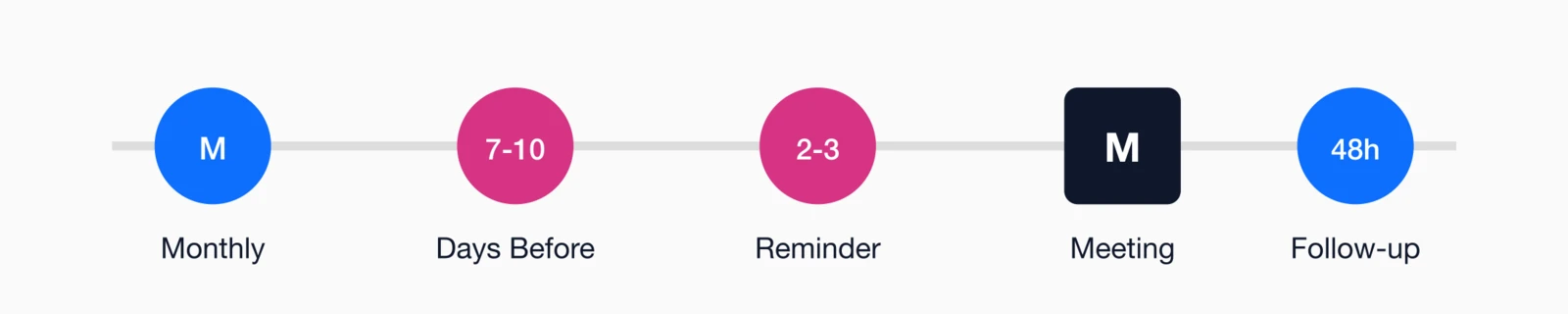
Meetings alone won't cut it. A steady rhythm of touchpoints keeps directors looped in without overload, ensuring they're primed for discussions and free from surprises.
Recommended communication calendar
| Communication | Frequency | Purpose |
|---|---|---|
| Brief update email | Monthly (non-meeting months) | Key news, metrics, updates |
| Board meeting materials | 7-10 days before meetings | Agenda, reports, decisions needed |
| Meeting reminder | 2-3 days before meetings | Logistics, last-minute updates |
| Post-meeting summary | Within 48 hours after meetings | Key decisions, action items, next steps |
| CEO/ED update | Quarterly or as needed | Deeper context on strategic issues |
This cadence delivers info in bite-sized pieces, building context over time.
Between-meeting updates
Monthly briefs bridge the gaps between meetings, nipping surprises in the bud and sustaining momentum. They're your secret weapon for steady engagement.

What to include
Aim to keep all directors in the know with these essentials:
- Key metrics snapshot: 3-5 vital numbers (membership, financials, event registrations)
- Notable developments: Wins or shifts since the last update
- Upcoming items: Horizon-scan alerts
- Member/stakeholder feedback: Key voices
- Early alerts: Potential issues on the radar
Sample template
Subject: Board Brief: [Month] [Year]
Hello Directors,
Quick update on association highlights:
Key Numbers:
- Membership: [number] (+/-X from last month)
- YTD Revenue: $X vs. $X budget
- [Event] Registrations: [number]
Notable Developments:
- [Development 1]
- [Development 2]
Coming Up:
- [Upcoming item 1]
- [Upcoming item 2]
On Our Radar:
[Brief note on emerging issue, if any]
Questions? Reply or call anytime.
[Signature]
Keep it concise: Target under 5 minutes to read—one page max. Overload it, and it goes unread.
Meeting preparation materials
These packets set the stage for productive meetings. Send them right, and directors show up sharp; rush them, and everything drags.
Core timing rule
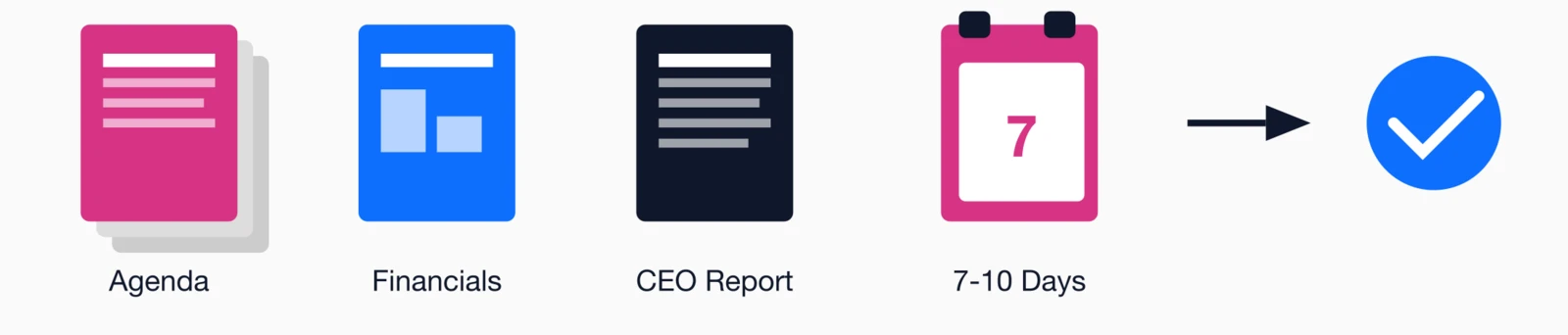
Dispatch 7-10 days ahead. Busy pros need review time to ponder, question, and prep. Late drops mean longer meetings and weaker calls.
Here's what I've learned: the quality of the discussion directly correlates to how much prep time directors had. When materials arrive 48 hours before a meeting, you get surface-level reactions. When they arrive a week early, you get thoughtful questions and strategic input. The difference shows in the decisions your board makes.
What to include
- Agenda: Time blocks, discussion vs. decision flags
- Consent agenda: Routine items for one-vote approval
- Prior minutes: For approval
- Financial reports: Position statement, budget vs. actual
- CEO/ED report: Activity snapshot
- Committee reports: Recent highlights
- Decision items: Background + recommendation
- Discussion items: Context for input
Mastering the consent agenda
Consent agendas streamline routines, carving out space for high-impact talk. Bundle non-controversial items—like minutes, staff/committee reports, routine financials, or policy-compliant gifts—for a single vote.
Directors can pull any item for full debate. Most sail through, unlocking time for strategy.
Effective board reports
Format drives readership. Bury the point, and it gets skimmed; lead with it, and directors engage.

The "executive summary first" rule
Open every report with the takeaway in 2-3 sentences. Let readers opt into details.
Ditch: Endless background before the punchline.
Embrace: "What you need to know" up top, backed by data.
Report structure template
[Report Title]
What you need to know: [2-3 sentence key summary]
Decision needed (if any): [Exact ask]
Recommendation (if any): [Staff rec + quick why]
Background: [Extra context]
Supporting data: [Charts, figures]
Financial reporting tips
- Add variance analysis: Explain big swings, don't just list numbers
- Lean on visuals: Charts beat raw tables for trends
- Spotlight essentials: Flag board-must-knows
- Project ahead: Year-end forecasts beyond YTD
Board email etiquette
Directors juggle packed inboxes—make yours stand out and respectful.
Top practices
- Consolidate: One full email trumps scattered pings
- Crystal subjects: "[Association] Board: [Topic]"
- Action flags: Specify needs and deadlines
- BCC wisely: Curb reply-alls on info-only sends
- Attach over link: Offline-friendly, no login hassles
Email full board when
- Meeting materials/logistics
- Monthly/quarterly updates
- Urgent awareness items
- Group input/votes (e.g., scheduling polls)
Skip full board for
- Routine waits for next brief
- Chair-first issues
- Ops-level details
- Director-specific notes
The Chair filter: Route most through the chair—they gauge escalation, honoring structure.
New director onboarding communication
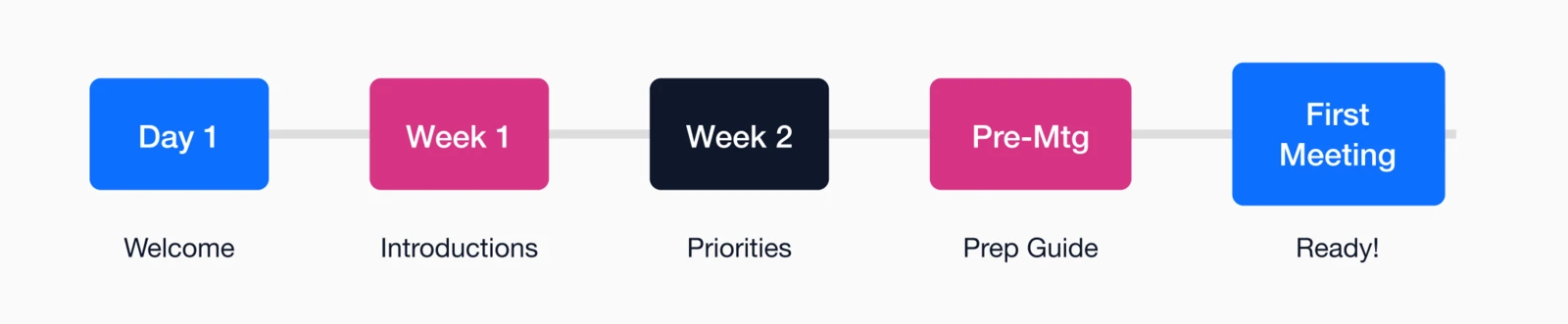
New board members need a fast ramp-up to contribute effectively. A structured welcome sequence turns orientation into quick wins.
Essential onboarding materials
Deliver these Day 1 essentials:
- Orientation packet: Bylaws, policies, strategic plan, recent financials, org chart
- Last 2-3 meeting packs + minutes
- Committee details: Assignments, schedules, members
- Key contacts: Staff, directors, stakeholders
- Full-year calendar: Meetings, events, deadlines
Welcome email series
- Day 1: Welcome + docs/logins
- Week 1: Staff intros
- Week 2: Strategic priorities + board role
- Pre-first meeting: Prep guide/logistics
- Post-meeting: Check-in
This builds confidence and speed.
Technology and accessibility
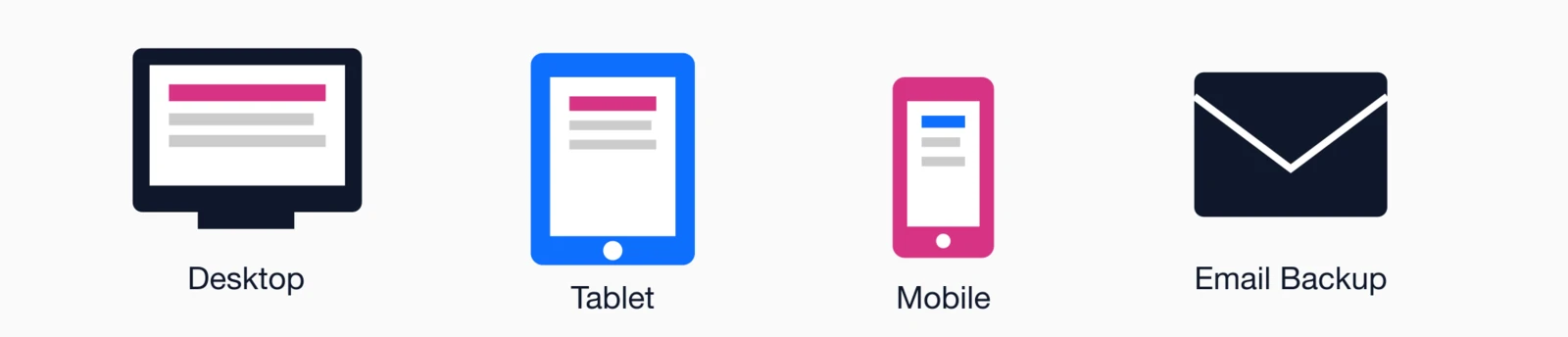
Tools should serve everyone, from tech pros to portal-shy veterans. Prioritize universal access.
Board portal perks
Many associations use board portals (BoardEffect, Boardable, etc.):
- Centralized docs
- Version control
- Secure sensitive files
- Compliance trails
Make it stick
- Email alerts on uploads
- Mobile optimization
- Training for all
- Email backups as fallback
Accessibility essentials
- Text-based PDFs: No scans
- Readable fonts/sizes
- Strong color contrast
- Cross-device testing
Communication enables governance
Timely, crisp info powers governance. Directors thrive with advance materials, clear agendas, and follow-ups; gaps breed frustration.
Lock in rhythms like monthly briefs and early packets. Tailor for pros who scan fast. Honor their service with comms that amplify impact.
One final thought: board communication isn't just operational—it's relationship-building. Every update you send reinforces that you value your directors' time and trust their judgment. The associations I've seen thrive over the long term are the ones where board members feel genuinely connected to the organization's mission, and that connection is built through consistent, thoughtful communication between meetings, not just at them.
Dive deeper with our Association Email Marketing Guide or member communication best practices.
Key takeaways
- Monthly briefs kill surprises: No big reveals at meetings
- Materials 7-10 days early: Prep time = sharp decisions
- "What you need to know" leads: Summary first, details optional
- Inbox respect: Bundle smart, flag actions clearly
Streamline Your Board Communications
i4a's platform includes tools for managing board member contacts, tracking communications, and organizing governance documentation.
Learn More About Our PlatformRelated resources
Member Communication Best Practices
Effective strategies for communicating with your entire membership.
Target different audiences with the right messages.
Complete strategy guide for association email marketing.
Board Reporting Best Practices
Create board reports that drive strategic decisions.
