Quick Summary: Committee Management
- Clear purpose drives engagement: Every committee needs defined deliverables tied to organizational strategy—vague mandates lead to disengagement.
- Right-size for productivity: 6-10 members is optimal; smaller groups lack perspective, larger ones bog down in discussion.
- Work happens between meetings: If meetings are just status updates, real work isn't happening; use meetings for decisions.
- Staff support, not control: Liaisons handle logistics so volunteers focus on substance, but shouldn't dominate or do the work.
- Evaluate and sunset when needed: Not every committee should exist forever; retiring groups that have served their purpose is responsible governance.
Part of our Member Engagement Guide
Setting committees up for success
Committee management makes or breaks association productivity. Most committees fail for the same reasons: unclear goals, meeting-heavy cultures, and chairs left unsupported. Here's how to run groups that deliver real results—with structures, templates, and tactics that work.
Industry benchmarking data shows more than half of members who don't renew cite a lack of engagement as a key reason. Poor committee experiences contribute directly to that disengagement. Give motivated professionals clear goals and meaningful work, and they'll deliver real results. Subject them to vague mandates and meandering meetings, and they'll quietly check out.
This guide explains how to structure, run, and sustain effective committees—from defining goals to managing meetings and evaluating results. Whether you're leading trade association working groups or professional practice committees, these strategies will help you make committee time count. Your committee tracking software
What makes committees effective
Effective committees consistently exhibit a few defining traits. From purpose and leadership to meeting design, these elements separate high performers from those that stall.
Characteristics of high-performing committees
- Clear purpose: Everyone understands why the committee exists and what it's trying to accomplish.
- Defined deliverables: Members focus on concrete outputs tied to organizational needs.
- Right members: Participants bring relevant expertise and genuine interest.
- Engaged chair: Leadership keeps the group accountable and moving forward.
- Efficient meetings: Time together is for discussion and decisions—not information dumping.
- Work between meetings: Real progress happens outside the meeting room.
- Staff support: Logistics and follow-up handled professionally.
- Connection to strategy: Committee work directly supports organizational goals.
Signs of struggling committees
- Meetings filled with reports and updates but no debate or outcomes.
- The same issues revisited without progress.
- Declining attendance or participation.
- Unclear achievements after a full year of meetings.
- Members unable to articulate the committee's purpose.
- Chairs doing all the work while others sit silent.
If this sounds familiar, the following sections outline practical interventions to get your committees back on track.
Committee structure
A strong structure underpins every effective committee. Size, term limits, and leadership design all influence how engaged—and productive—your volunteers will be.
Optimal size
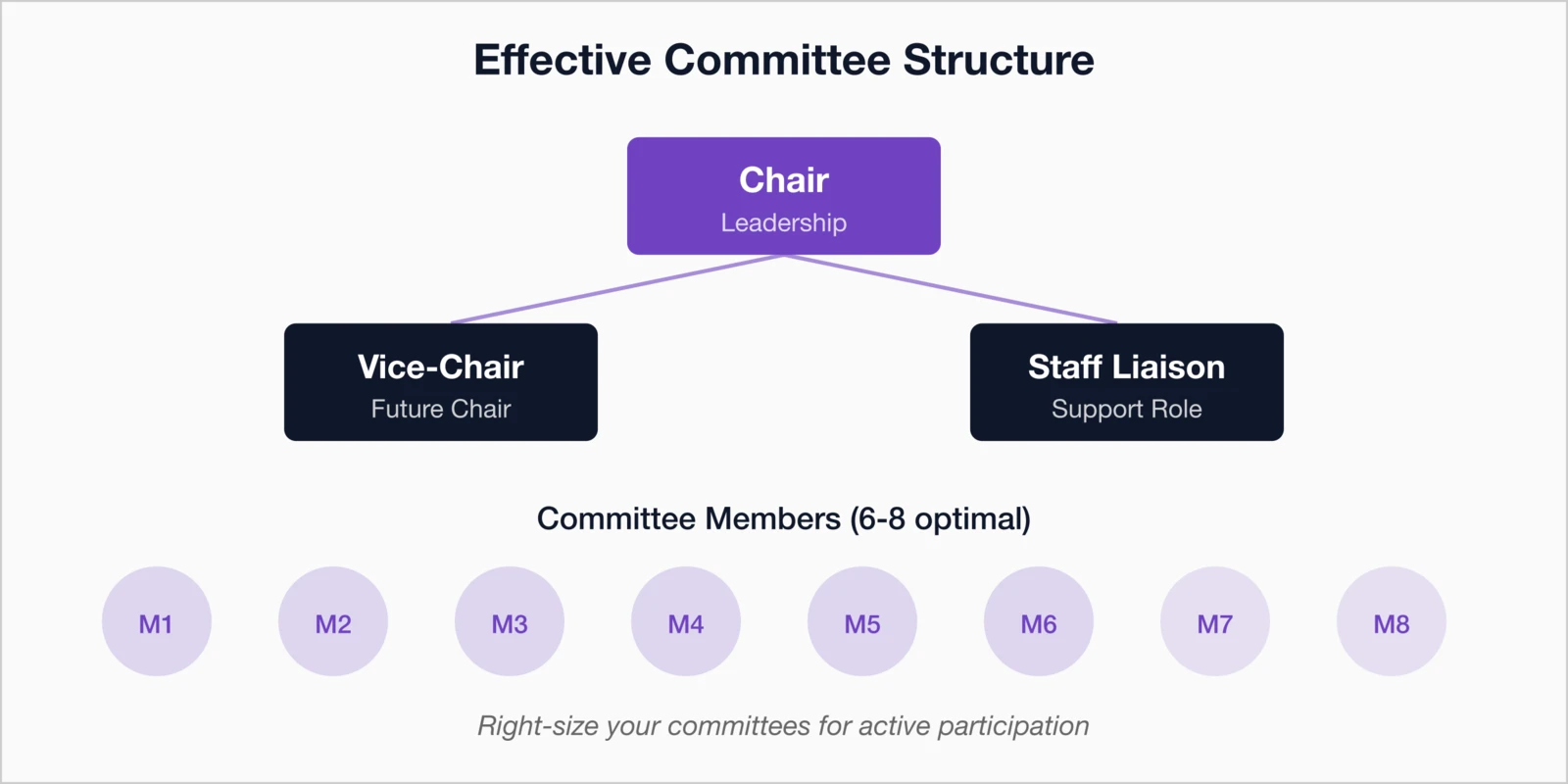
When it comes to committees, bigger isn't better. Research and experience show the sweet spot is 6–10 members—large enough for healthy debate, small enough for active participation.
- Too small (under 5): Vulnerable to absences and narrow viewpoints.
- Right size (6–10): Provides diversity without bogging down discussion.
- Too large (over 12): Leads to long meetings, uneven participation, and decision paralysis.
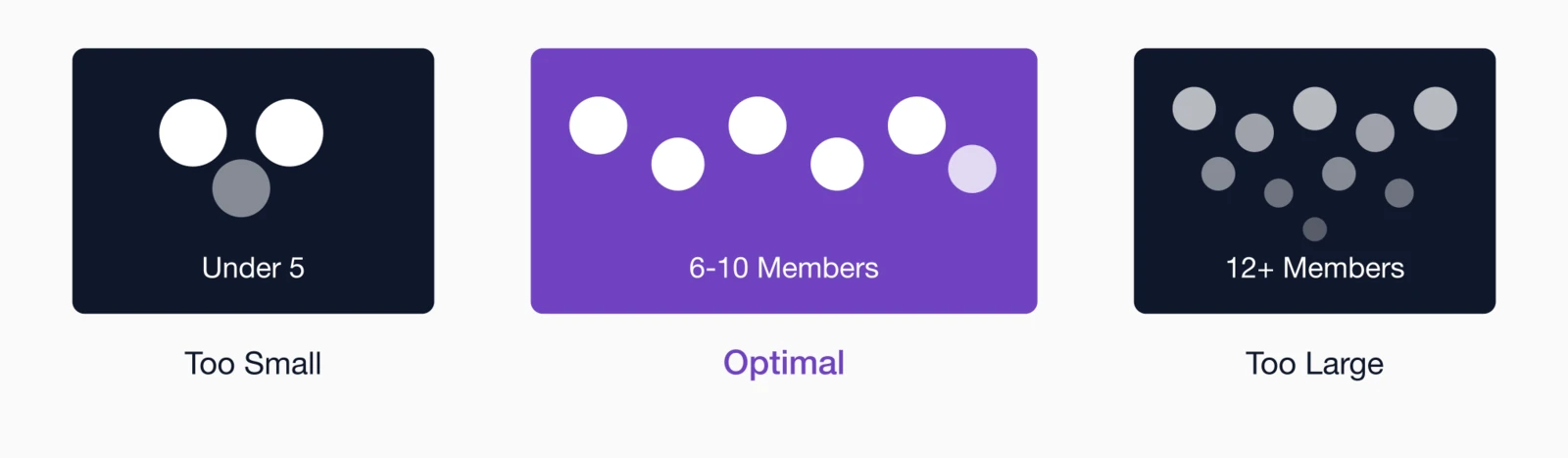
If your topics require broader input—for example, representing multiple industries, specialties, or member segments—consider pairing your core committee with a larger advisory panel.
Using an advisory panel effectively
An advisory panel offers a way to engage more members and capture their expertise without complicating the day-to-day work of the main committee. The key is to make the relationship intentional and well-defined.
How it works
- The core committee (6–10 members) handles active work: developing recommendations, drafting deliverables, and making decisions.
- The advisory panel serves as a sounding board—providing feedback, sharing insights, and validating direction at key milestones.
- Panel members typically interact quarterly or semi-annually, often through surveys, virtual town halls, or feedback sessions rather than full meetings.
Benefits
- Expands perspective without overwhelming committee meetings.
- Engages members who want to contribute but can't commit to ongoing committee work.
- Strengthens transparency and buy-in for final recommendations.
- Provides a pipeline of future committee volunteers and leaders.
Best practices
- Keep expectations clear: advisory panels advise, not decide.
- Use structured questions or materials when seeking feedback.
- Recognize panel members' contributions publicly (for example, in an annual report or meeting summary).
- Maintain ongoing communication between the committee chair and the panel facilitator or staff liaison.
This layered approach helps balance flexibility and inclusivity—allowing your committee to stay nimble while still tapping into the broad expertise within your membership base.
Term lengths
Defined terms prevent burnout and create leadership pipelines. When members know there's a clear path forward, they're more likely to stay engaged and eventually take on larger roles.
Typical term structure:
- Committee members: 2–3 years, renewable once.
- Vice chair: 1 year, often transitioning to chair.
- Chair: 1–2 years after committee service.
Stagger terms so approximately one-third rotate each year. This ensures both continuity and fresh perspective.
Setting clear goals
Clarity is the foundation of effectiveness. Every committee needs to know what success looks like—vague goals like "advise on membership issues" often derail engagement.
Annual goal setting
At the start of each program year, set 2–4 measurable goals tied to strategic priorities.
Strong goals are:
- Specific: Concrete deliverables, not abstract ideas.
- Measurable: Success clearly defined.
- Achievable: Realistic within volunteer constraints.
- Time-bound: Firm deadlines for accountability.
| Weak Goal | Strong Goal |
|---|---|
| "Improve member engagement" | "Launch mentorship program matching 50 pairs by September." |
| "Review certification requirements" | "Deliver updated competency framework to board by June." |
| "Increase conference attendance" | "Develop three new speaker recruitment strategies for the 2026 conference." |
| "Support marketing efforts" | "Create 12 member testimonial videos by year-end." |
Connecting committee work to strategy
Committees that drift away from strategy waste time and frustrate volunteers. Staff should brief each committee on the organization's current priorities before goal setting. When volunteers understand where their work fits, their contributions have real impact.
Direction must flow both ways—when committees produce deliverables, there needs to be a clear path for board or staff implementation. Otherwise, meaningful work goes unused and engagement erodes.
Productive meetings
Meetings are often where engagement lives or dies. Productive sessions create momentum; unstructured ones drain energy. I've seen committees transform simply by cutting meeting frequency in half and expecting real work to happen between sessions. When you treat volunteers like the professionals they are—capable of independent contribution—they rise to meet those expectations.
Meeting frequency
Let workflow dictate frequency:
- Monthly: For actively executing projects.
- Bi-monthly: Encourages progress between meetings.
- Quarterly: Best for advisory groups or oversight roles.
- As needed: Effective for project-based efforts.
Meeting structure
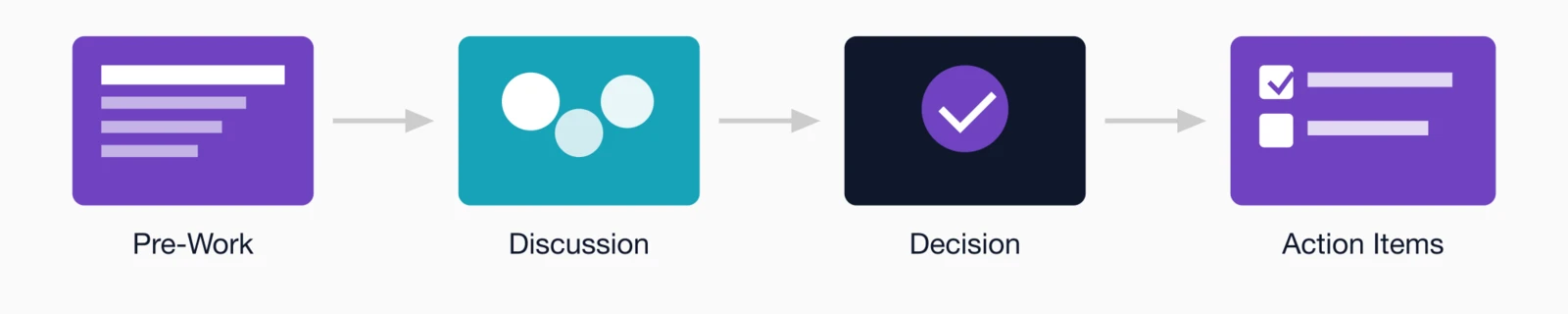
Design meetings for action, not updates:
- Send materials five days in advance; expect members to read them.
- Focus agenda on two to three key topics needing input or decision.
- Allocate time clearly, and stick to it.
- Chairs should facilitate actively, keeping discussions on track.
- Conclude each item with a decision or next step.
Virtual meeting best practices
With most committees now partly virtual, an intentional structure makes all the difference:
- Keep sessions short (60–75 minutes).
- Encourage cameras on when possible.
- Introduce quick interactions—polls, breakouts, chat Q&A.
- Share screens for reference materials.
If meetings are mostly updates, there's a problem—the work isn't happening between sessions, or there's not enough real work to justify the meeting.
Work between meetings
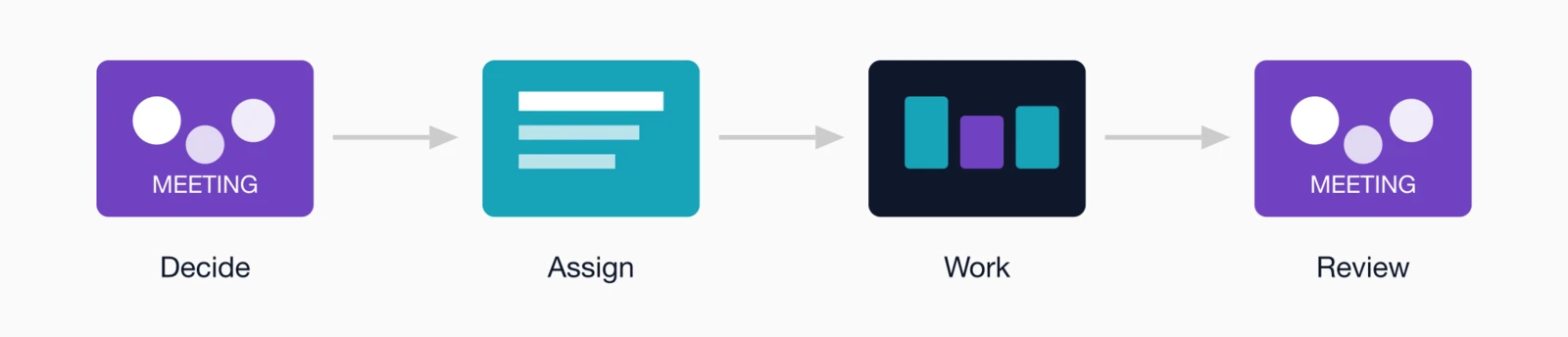
The best committees don't wait for meetings to move things forward. They use meetings to make decisions, not to do the work itself.
Assignments and accountability
Every meeting should end with clear commitments:
- What needs to be done.
- Who's responsible.
- When it's due.
Staff liaisons should track and follow up before deadlines to maintain accountability.
Subgroups and task forces
Large projects benefit from smaller working teams (2–3 members) that can develop drafts or recommendations. This encourages ownership and keeps full-committee discussions focused.
Collaboration tools
Facilitate ongoing work with modern tools:
- Shared document folders for drafts.
- Discussion boards or channels for quick exchanges.
- Project management features for complex initiatives.
Many association management platforms now include built-in committee workspaces. Dedicated committee and board tracking software
The staff liaison role
Staff liaisons are critical to success. Their job is support, not control—handling logistics so volunteers can focus on strategy and substance.
Core responsibilities
- Schedule meetings and manage logistics.
- Collaborate with chair on focused agendas.
- Distribute materials and capture minutes.
- Track action items and decisions.
- Provide context on organizational priorities.
- Serve as a bridge to staff and leadership.
What to avoid
- Dominating discussion or overruling members.
- Doing the volunteers' work.
- Neglecting follow-up or allowing drift during meetings.
Great liaisons strike a balance: helpful without being heavy-handed. It's a role built on partnership and trust.
Supporting committee chairs
Strong chairs drive strong committees. Many volunteers step into leadership without prior experience, so structured orientation and ongoing support pay enormous dividends.
Chair orientation should include
- Overview of the committee's purpose and key priorities.
- Clear outline of chair responsibilities.
- Introduction to their staff liaison.
- Guidance on facilitation and delegation.
- Understanding decision-making limits and escalation paths.
Ongoing support
- Pre-meeting prep: Review agenda and plan discussion flow.
- Post-meeting debrief: Identify what worked and what didn't.
- Chair community: Create space for peer learning and shared challenges.
- Board communication: Teach chairs how to report progress effectively.
- Feedback loop: Share organizational appreciation and impact updates.
Evaluating committee effectiveness
Regular evaluation keeps committees relevant and impactful. Without routine check-ins, committees risk stagnation.
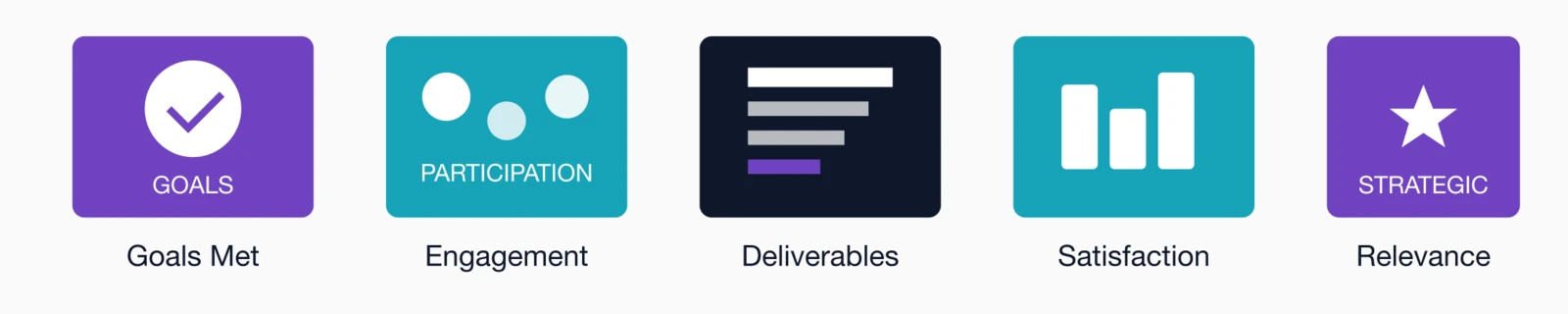
Annual committee review
Each year, assess:
- Progress against stated goals.
- Member engagement levels.
- Usefulness of deliverables.
- Volunteer satisfaction.
- Continued strategic relevance.
Member feedback
Survey members annually:
- Was time well used?
- Were meetings productive?
- Did they feel their contributions mattered?
- Would they serve again?
Sunsetting committees
Sometimes, ending a committee is the right decision. Consider sunsetting when:
- The original purpose has been achieved.
- The topic is no longer strategic.
- Work can merge elsewhere.
- Engagement and recruitment decline.
Sunsetting isn't failure—it's responsible governance. Recognize achievements, thank contributors, and redirect energy to higher-impact opportunities.
Making committees worth the time
Volunteers invest serious time—and they deserve a meaningful return. With the right structure, clear goals, and strong staff support, committees can deliver real value to both the organization and its members.
The key is intentional design. Assess your current landscape: Which committees are thriving? Which are stuck? Use those insights to target improvements and strengthen your volunteer ecosystem. One thing I've learned after years of watching associations succeed (and struggle): the organizations that treat committee service as a privilege—not an obligation—consistently build more engaged, productive groups. When volunteers feel their time is respected and their contributions matter, they bring their best thinking to the table.
For more ideas on optimizing volunteer impact, explore our guide on volunteer management for associations or visit the full Member Engagement Guide
Key takeaways
- Committees need clear purpose: Every committee should have defined objectives that connect to organizational strategy
- Work should happen between meetings: If meetings are just status updates, you're wasting volunteer time
- Right-size your committees: 6-10 members is usually optimal; larger groups struggle to be productive
- Staff support is essential: A good staff liaison handles logistics so volunteers can focus on substance
- Evaluate regularly: Not every committee needs to exist forever; sunset those that have completed their purpose
Need Better Committee Management Tools?
i4a includes committee rosters, term tracking, document sharing, and member-only discussion spaces—all integrated with your membership database.
Ask About Committee FeaturesRelated resources
Volunteer Management for Associations
Recruit, engage, and retain association volunteers.
Complete guide to building engaged communities.
Recognize volunteers and engaged members effectively.
Board Communication Best Practices
Ensure chairs know how to effectively communicate with the board.
